

Security Tooling Sprawl: When More Tools Creates More Risk
Security budgets have grown steadily over the past decade, and with them the number of platforms a typical security team is expected to operate. The result, in most organisations we encounter, is not a stronger security posture. It is a collection of tools that overlap in some areas, leave gaps in others, and generate more alerts than any team can meaningfully act on. More tools does not mean more coverage. It often means more noise and a thinner spread of attention across a wider surface.
Tool sprawl usually happens gradually. A new product gets added after an incident. A vendor relationship brings in a platform that duplicates something already deployed. A merger joins two environments that each brought their own stack. Before long, the team is licensing five platforms where three would do the job better, and nobody has a clear picture of what each tool is actually detecting. This article looks at why sprawl creates risk, how to identify it, and what a rationalisation process involves.
Why Overlapping Tools Create Security Gaps
The assumption behind buying more tools is that coverage adds up. In practice, multiple tools watching the same surface area creates confusion about which one is authoritative. When two endpoint protection platforms generate conflicting alerts on the same event, analysts have to reconcile them before acting. That takes time, and during that time the response is delayed. Worse, when teams assume tool A is covering an area, they may not notice that tool B's data for that area is stale or misconfigured.
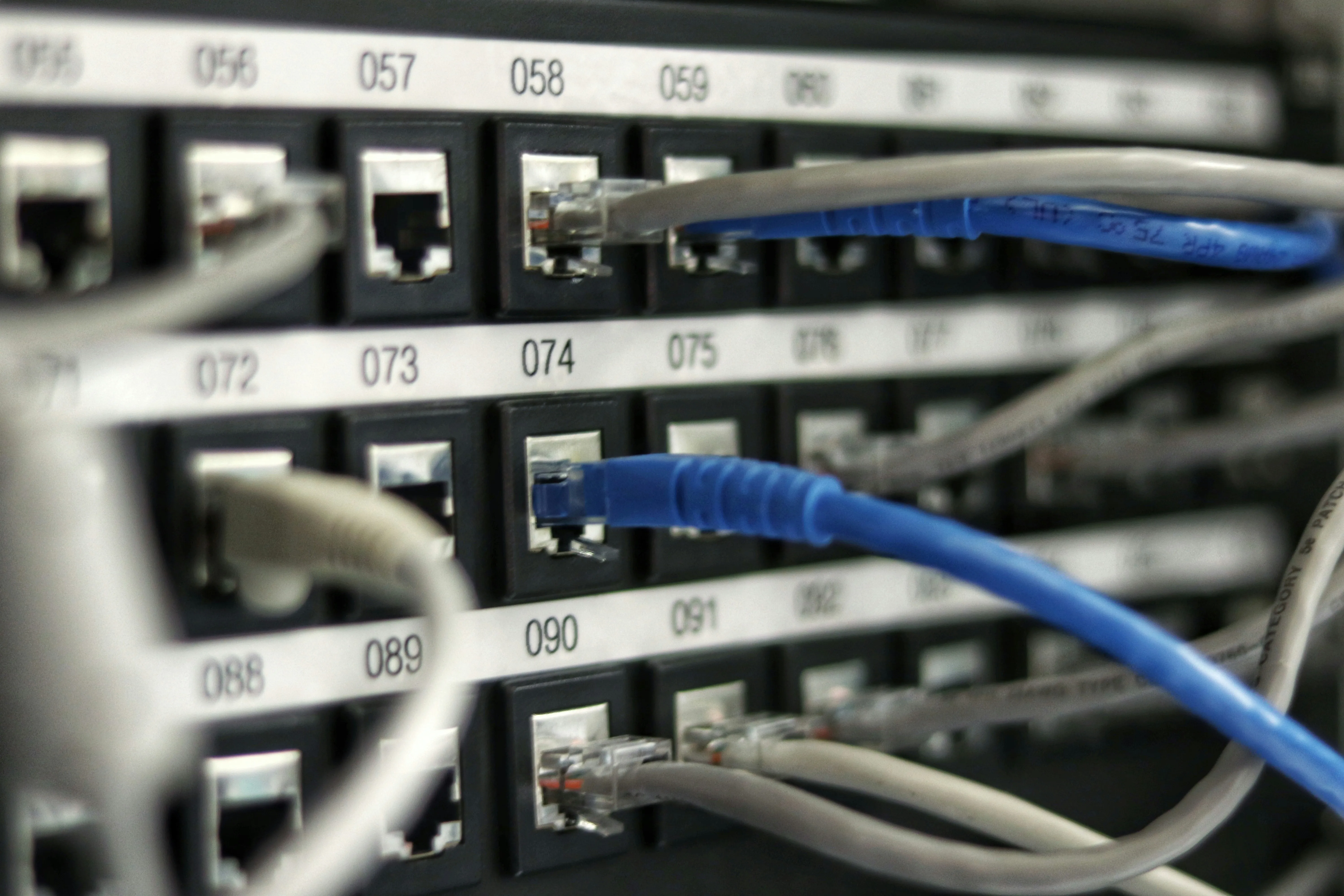
Integration gaps are a related problem. Security tools only provide value if someone is reading their output and connecting it to a broader picture. When the stack grows beyond what the team can actively maintain, some tools get configured once and then left to run without review. Policies drift. Data feeds stop flowing into the SIEM. Alert thresholds that were set during the initial deployment no longer reflect the environment. The tool is running, the licence is being paid, and almost no useful detection is happening.
The Alert Fatigue Connection
Alert fatigue is a direct consequence of sprawl. Each platform generates its own alert stream, and without deduplication and correlation, analysts receive multiple notifications for the same underlying event across different tools. The volume becomes unmanageable. Teams respond by suppressing categories of alerts, raising thresholds, or triaging by platform priority rather than event severity. All of these coping mechanisms reduce the probability of catching a genuine incident.
We regularly see organisations where the same endpoint event generates alerts in three separate platforms, none of which are correlated in the SIEM, and the analyst on shift has learned to close the lowest-priority two without reading them. The third gets reviewed when there is time. This is not a people problem. It is a tool architecture problem, and adding another platform to address the fatigue only compounds it.
How to Identify Sprawl in Your Environment
A security platform review starts with a simple inventory: list every licensed security tool, what it is supposed to detect or prevent, and which team member is actively managing it. Then ask the harder questions. For each tool:
- When was the configuration last reviewed?
- Is the alert output being consumed and actioned?
- Does another platform in the stack cover the same surface area?
- What would break if this tool was turned off tomorrow?
- Has it detected a genuine threat in the past twelve months?
The answers will reveal tools that exist on paper, tools that are duplicated, and tools that the team has quietly stopped using because they were too noisy or too difficult to maintain. Those findings are the starting point for rationalisation.
What Rationalisation Looks Like in Practice
Rationalisation is not about buying less. It is about ensuring that every tool in the stack is configured correctly, actively monitored, and filling a coverage area that nothing else already fills. The output of a rationalisation exercise is usually a smaller number of better-integrated platforms, with clearer ownership and maintained configurations. That is a more defensible posture than a large stack of underused tools.
The process involves assessing overlap, retiring platforms that are genuinely redundant, and investing the freed capacity into better tuning and integration of what remains. Where a gap is exposed by retiring a tool, it gets addressed deliberately rather than left as an unacknowledged blind spot. The goal is a stack you can actually operate, monitored by a team that has enough bandwidth to respond when something real happens.
To discuss a security platform review for your organisation, contact Cyberlinx at [email protected].

Related Articles


Ready to secure your
business?
